Title of the paper
Two-line summary of the contribution and scope.
Search by concept, filter by research direction, then expand any paper for a concise abstract and links. Full list on Google Scholar.
Two-line summary of the contribution and scope.
A framework for evaluating hierarchical scene reasoning in vision-language models.
Joint 3D part segmentation and semantic naming.
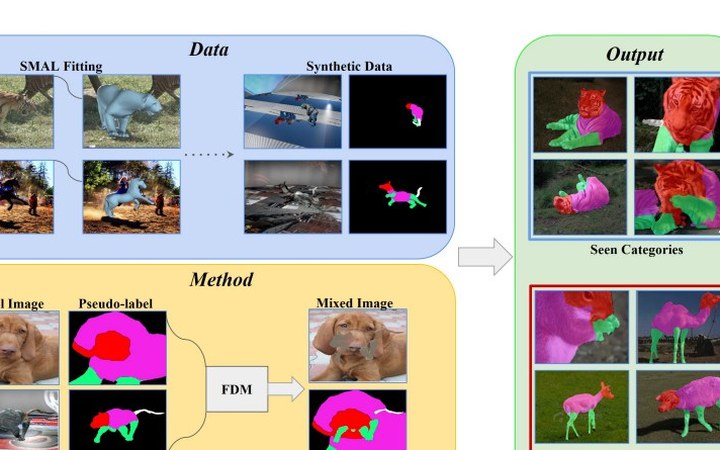
Part segmentation learned from synthetic animal data.
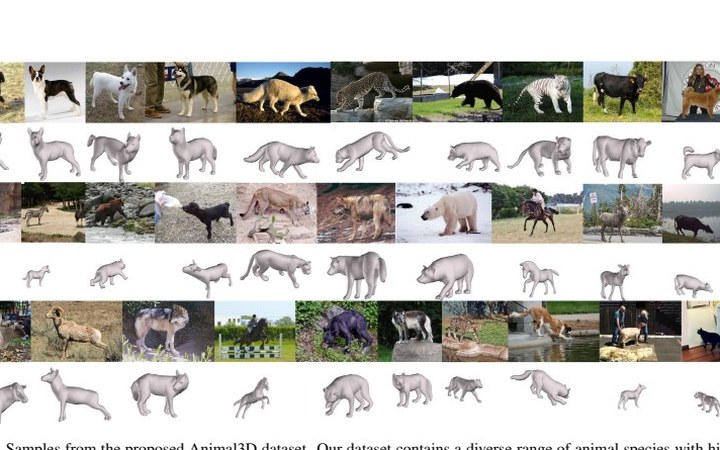
A comprehensive dataset for 3D animal pose and shape.

A Physics of AI / mechanistic interpretability study showing that backprop-trained neural networks tend to converge to similar low-rank weight subspaces across datasets and hyperparameters.
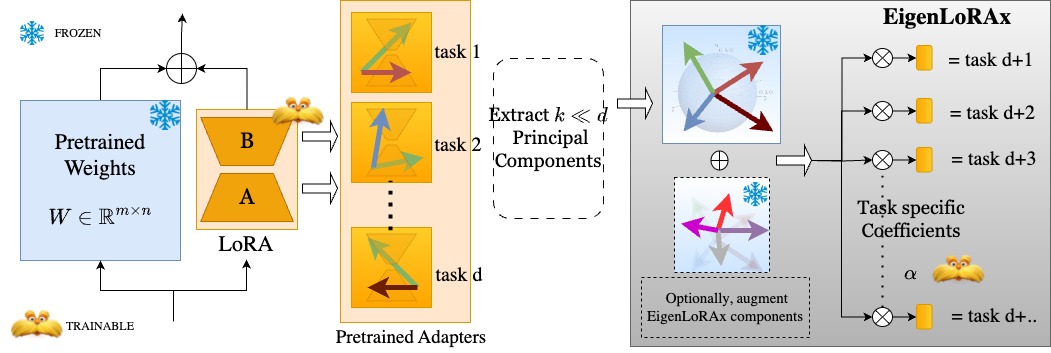
Resource-efficient adaptation and inference via adapter recycling.
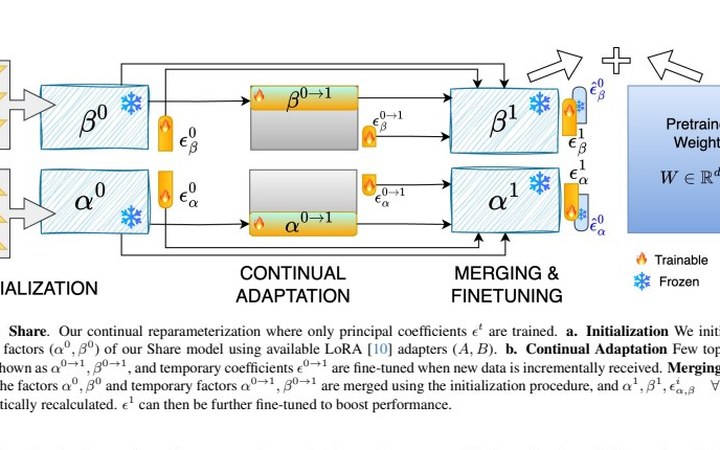
A shared-subspace approach toward almost strict continual learning for large models.
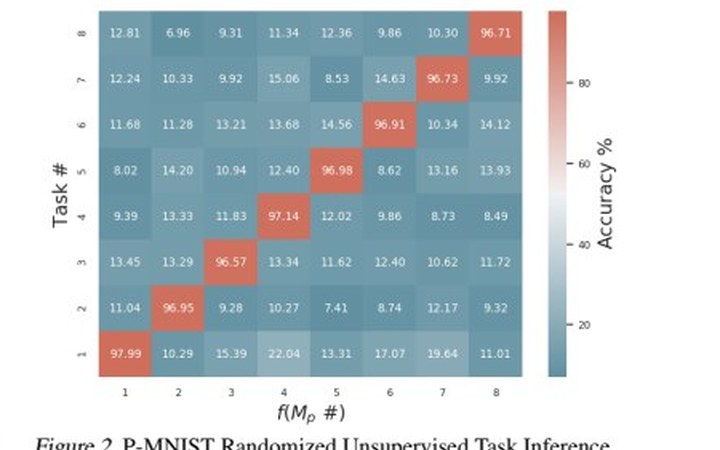
Continual learning with optimal relevance mapping.
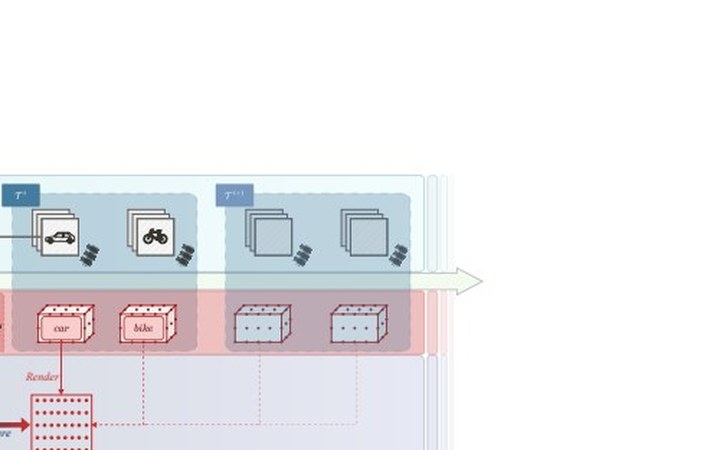
Incremental neural mesh models for class-incremental learning.
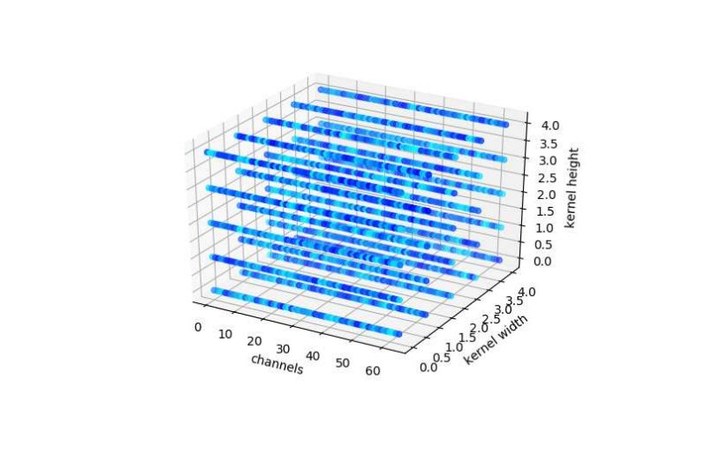
Adaptive neural connectivity for sparsity-aware learning.
Failure-aware multiview 3D consistency metrics for hallucination-prone foundation reconstruction models.
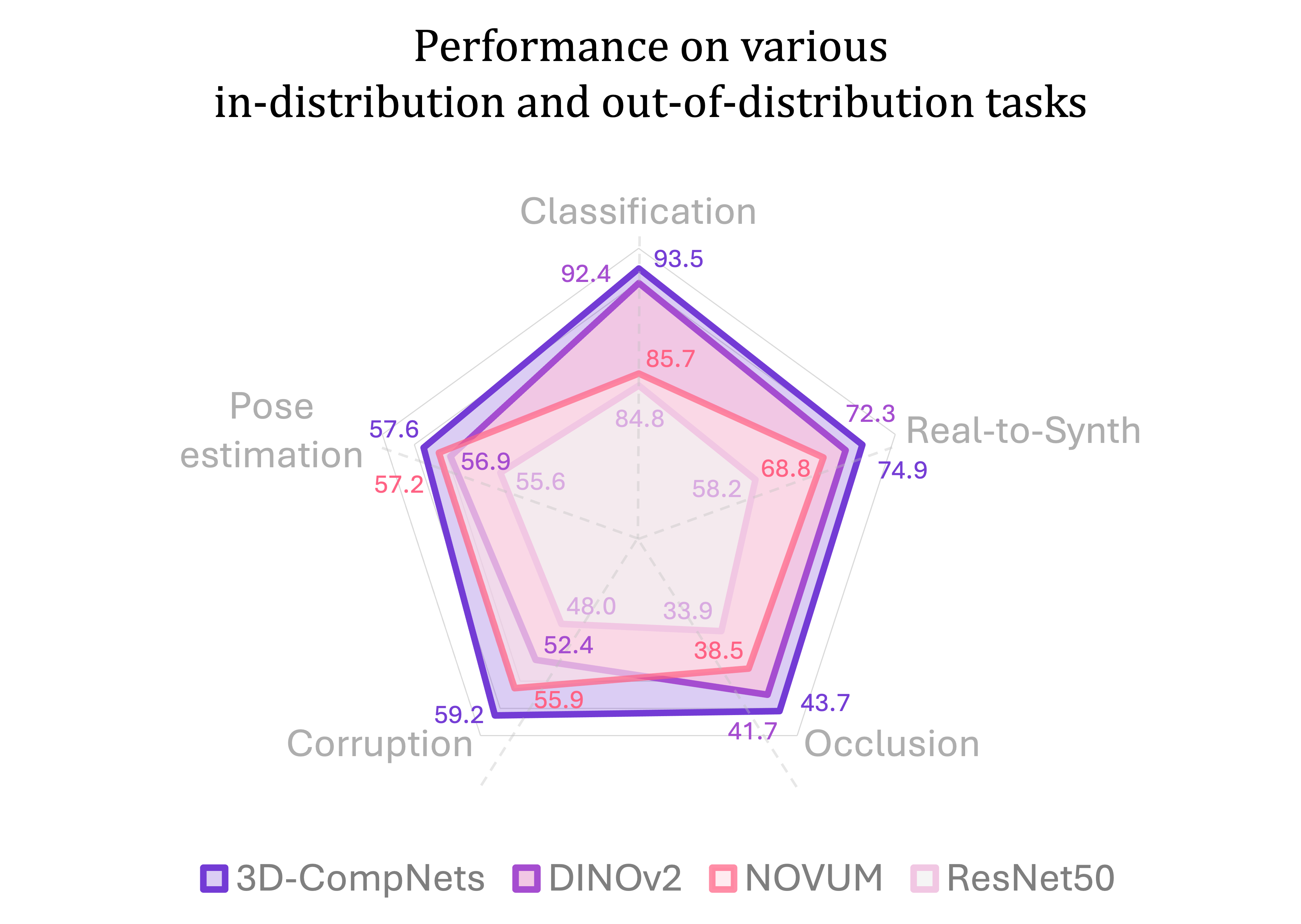
Scaling compositional models for robust 3D classification and pose.
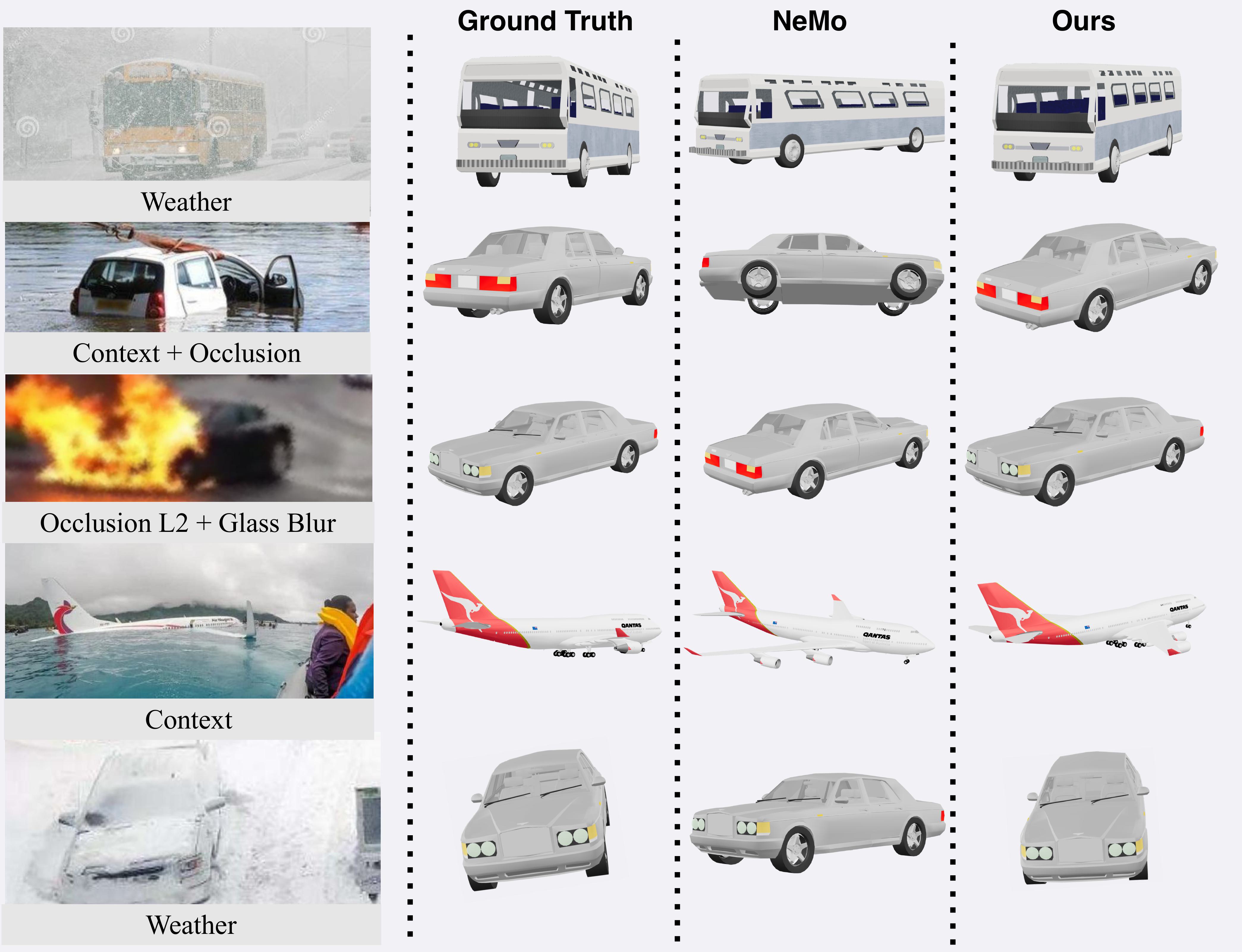
Source-free domain adaptation for category-level pose estimation.
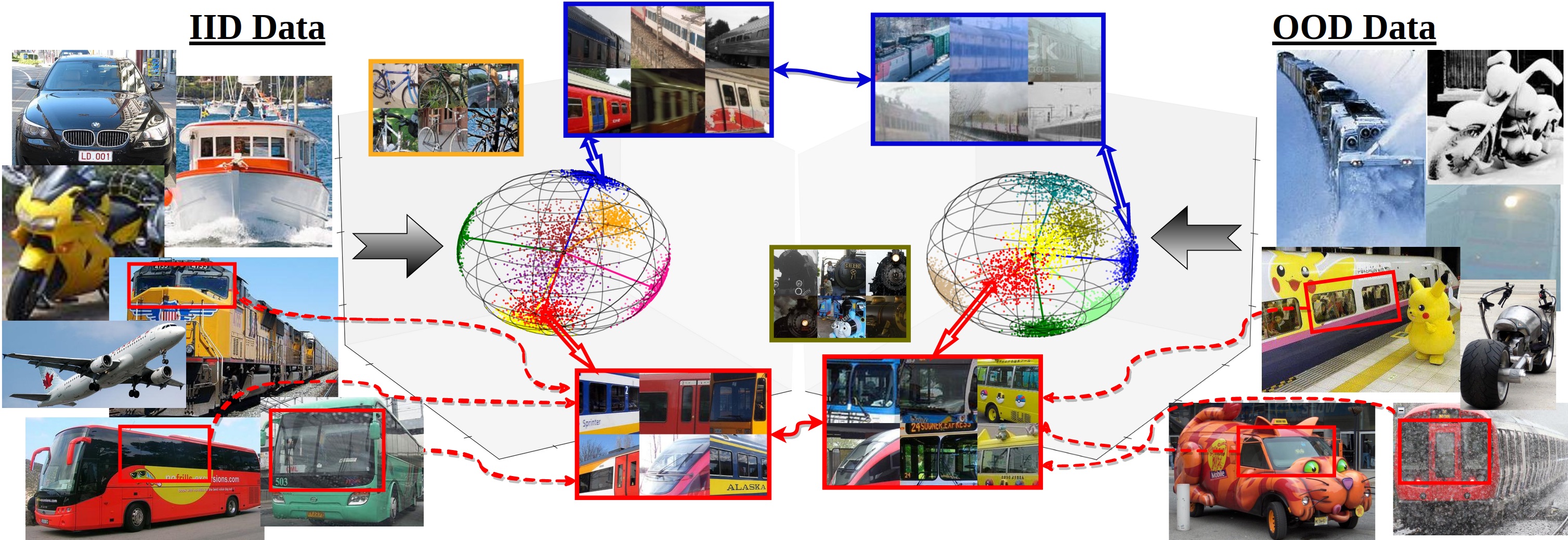
Bayesian OOD robustness in image classification.
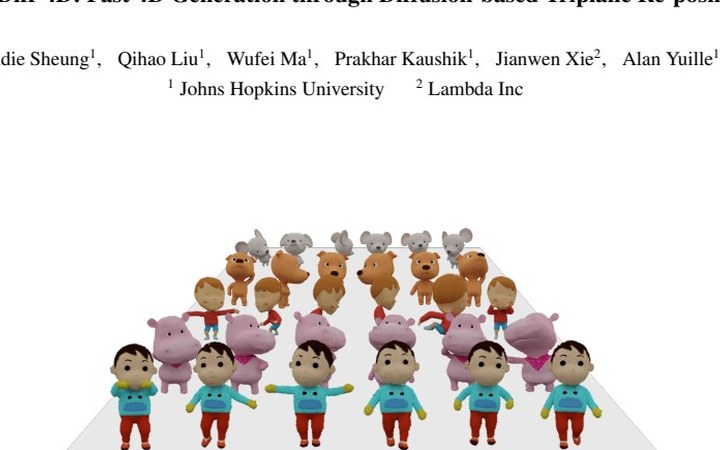
Fast 4D generation through diffusion-based triplane re-posing.
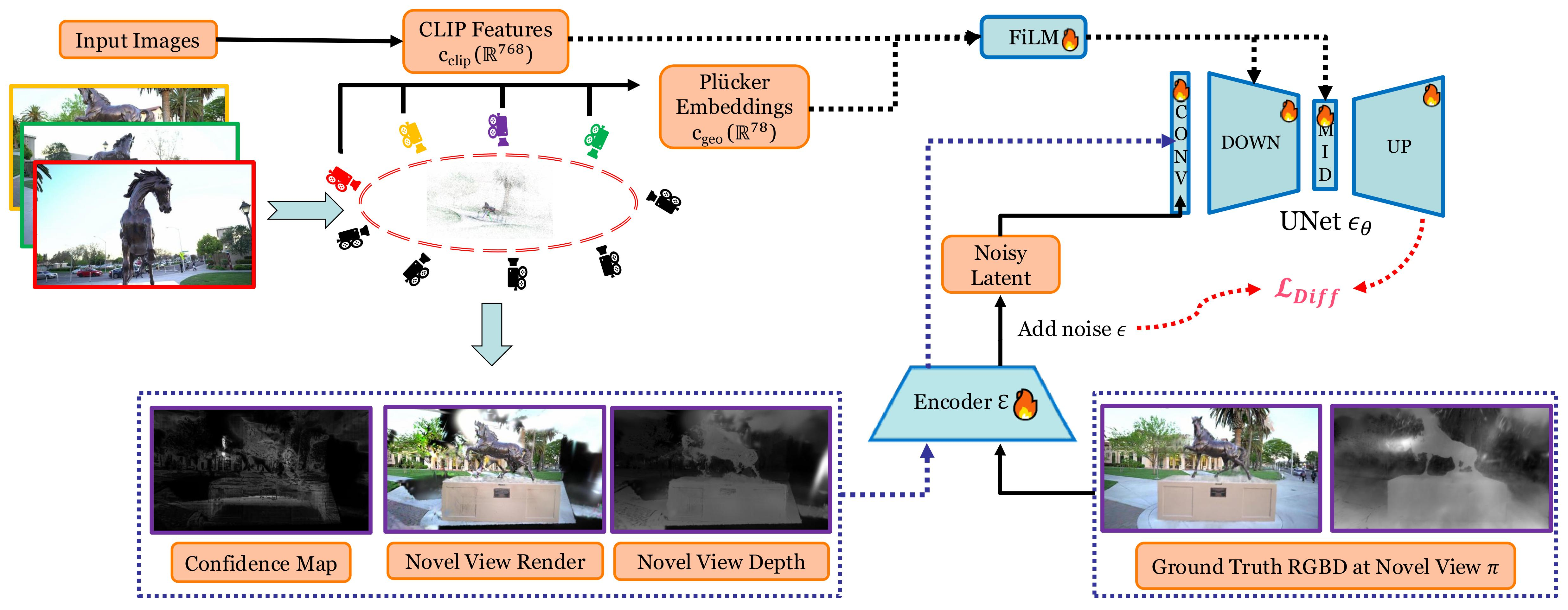
Pose-free sparse-view scene reconstruction using diffusion priors.
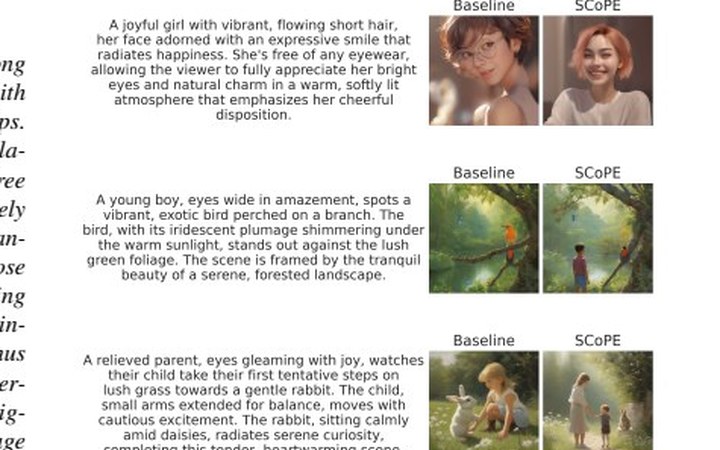
Improved alignment in text-to-image generative models.
Offline outdoor navigation with full privacy.
Timing attack analysis on AES on modern processors.
Real-time neural model-based human detection and behaviour classification.
A shared-subspace approach toward almost strict continual learning for large models.
A framework for evaluating hierarchical scene reasoning in vision-language models.
Failure-aware multiview 3D consistency metrics for hallucination-prone foundation reconstruction models.
Joint 3D part segmentation and semantic naming.
A Physics of AI / mechanistic interpretability study showing that backprop-trained neural networks tend to converge to similar low-rank weight subspaces across datasets and hyperparameters.
Scaling compositional models for robust 3D classification and pose.
Fast 4D generation through diffusion-based triplane re-posing.
Pose-free sparse-view scene reconstruction using diffusion priors.
Improved alignment in text-to-image generative models.
Resource-efficient adaptation and inference via adapter recycling.
Incremental neural mesh models for class-incremental learning.
Part segmentation learned from synthetic animal data.
Source-free domain adaptation for category-level pose estimation.
Bayesian OOD robustness in image classification.
A comprehensive dataset for 3D animal pose and shape.
Continual learning with optimal relevance mapping.
Adaptive neural connectivity for sparsity-aware learning.
Real-time neural model-based human detection and behaviour classification.
Offline outdoor navigation with full privacy.
Timing attack analysis on AES on modern processors.
No matching publications. Try a broader term or switch filters.